
From 28–30 August 2026, 30 young people from across Bulgaria came together in Sofia for “Garden of Peace,” an interfaith youth camp organized by BRIDGES CC. Through encounters with different religious communities, dialogue, music, leadership activities and friendship, participants experienced a simple but powerful message: peace begins when people meet, listen and learn from one another.
Thirty young people aged 15–18, coming from 19 localities and representing five different religious and cultural traditions, gathered in Sofia for three days of learning, encounter and community. Some had participated in previous BRIDGES camps, concerts and trainings, while others were joining for the first time. Teachers from four partner schools also participated, with young facilitators and members of the BRIDGES team helping lead the program.
Organized by BRIDGES URI Europe Cooperation Circle, Garden of Peace created a space where religious diversity was not simply discussed—it was encountered through people, places, stories and shared experiences.
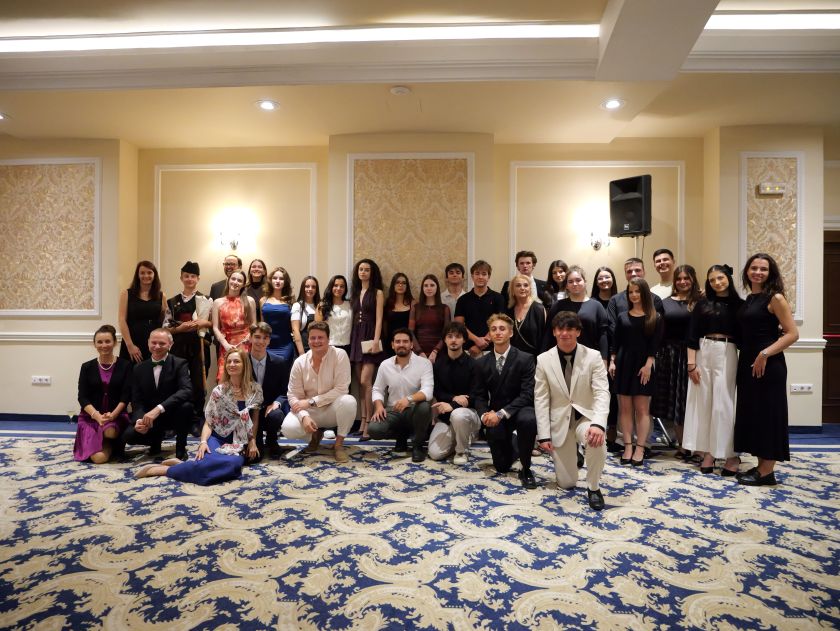
Walking through Sofia’s living interfaith landscape
The program began with a visit to the Sofia Synagogue, where participants learned about Jewish traditions, community life and the history of Bulgarian Jews. Conversations about memory, moral choice and solidarity invited young people to reflect on the responsibility communities have toward one another.
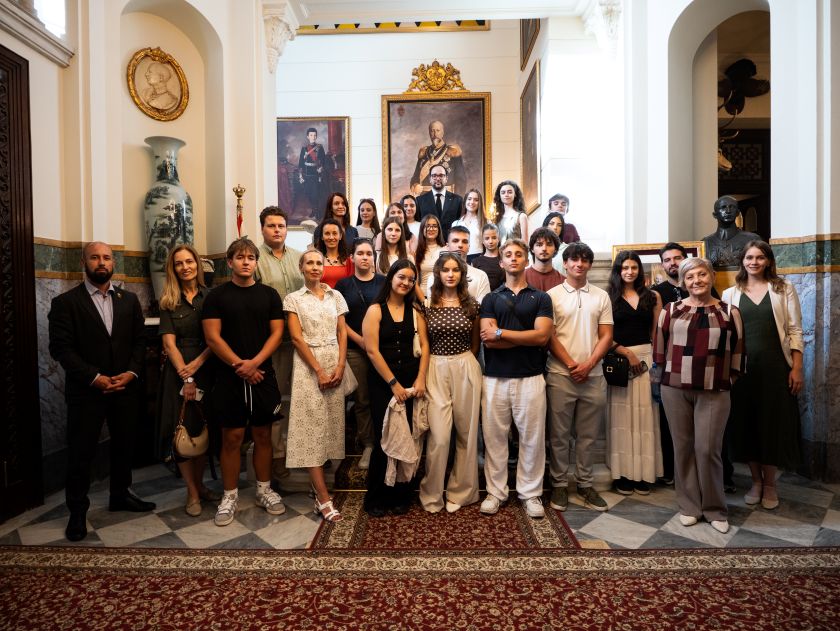
At Vrana Royal Palace, hosted by H.R.H. Prince Boris of Tarnovo, participants encountered another expression of religious diversity through the Orthodox and Roman Catholic chapels associated with the history of the royal family. The surrounding park also offered a fitting setting to explore the “garden” as a symbol of diversity, care, interdependence and peaceful coexistence.
On the second day, participants continued their journey through Sofia’s remarkable religious landscape, visiting the Banya Bashi Mosque, the Orthodox Metropolitan Cathedral of St. Nedelya and the Catholic Cathedral of St. Joseph. Conversations with representatives of these communities moved beyond facts about religion and history toward questions of identity, belonging, faith and peaceful coexistence.
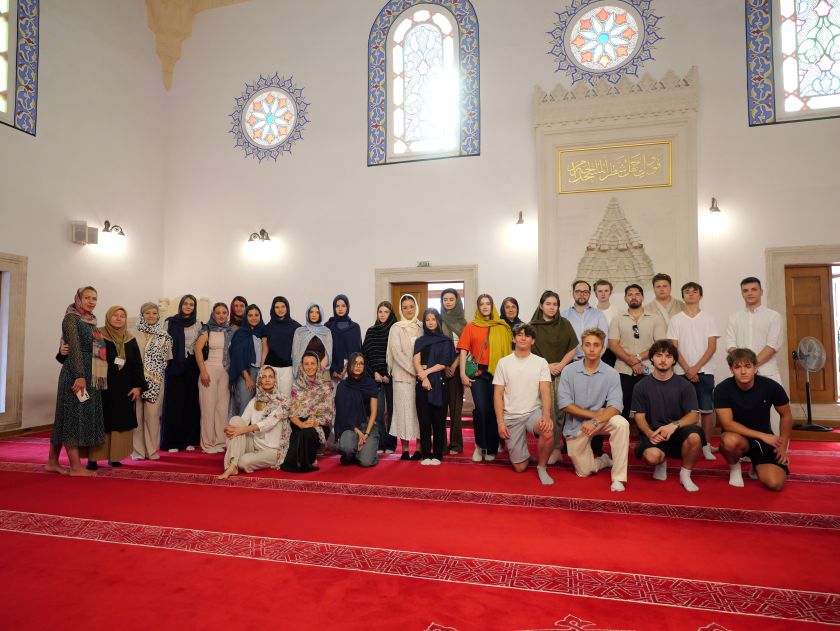
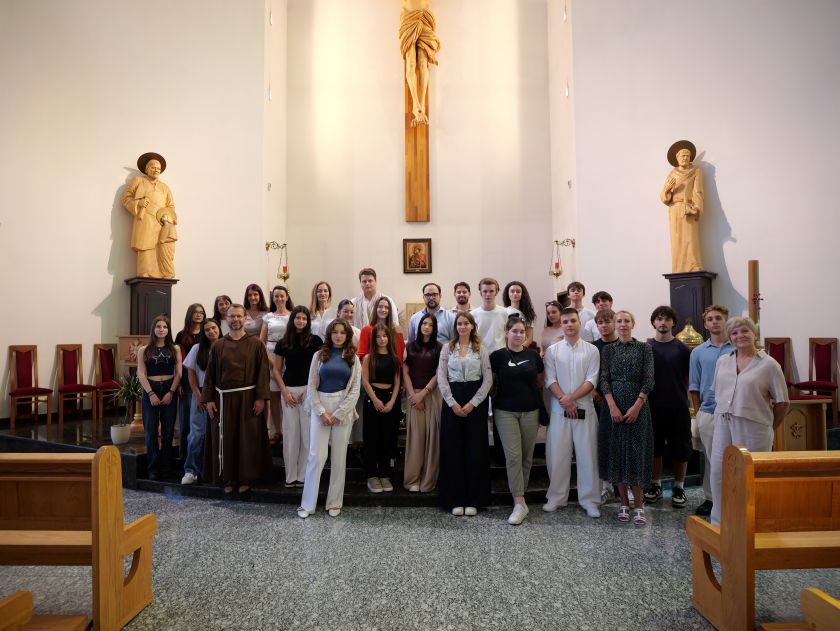
These encounters demonstrated one of the central ideas behind Garden of Peace: dialogue begins with personal encounter, curiosity and a willingness to hear another person’s story.
From participants to young peacebuilders
Youth leadership was at the heart of the camp. Young facilitators Silvia, Dimitar and Ahmed helped guide conversations and activities, while participants who had been involved in previous BRIDGES and URI Europe initiatives shared how these experiences had influenced their understanding of diversity, dialogue and other people.
The camp also connected young people in Bulgaria with the wider URI family. URI Global Council Chair Eric Roux sent a special video message, while Sarah Oliver from URI Global and young people from Cape Town Interfaith Initiative CC joined online. The two youth groups introduced their religious diversity to one another and expressed their hope that their virtual encounter might one day become an in-person international youth exchange.
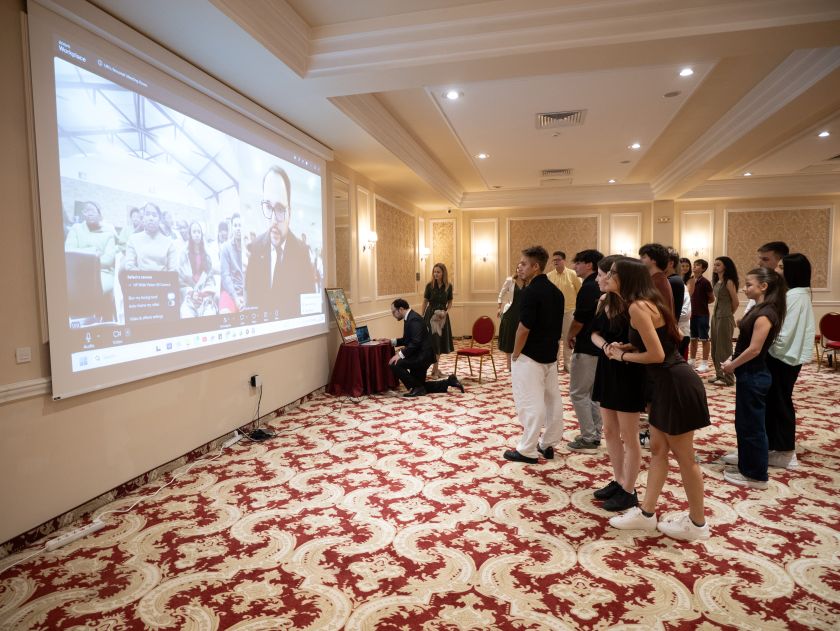
This global connection reflected something central to URI: local interfaith action becomes even stronger when communities discover that they are part of a much larger family of people working for peace around the world.
A concert where differences became harmony
One of the highlights was the Garden of Peace concert, bringing together young musicians, dancers, poets and participants from different communities and countries.
Inspired by the image of stained glass, the concert was organized into four thematic “windows.” Each represented a different color and story, while together they created one picture—a society in which differences do not need to disappear in order for people to live in harmony.
Classical and Balkan music, Armenian dance, Bulgarian poetry, the poetry of Rumi and a bilingual “Prayer for Peace” became different languages for expressing the same hope for human connection. The evening concluded with Bulgarian traditional music and a shared horo dance, bringing performers, participants and guests together.
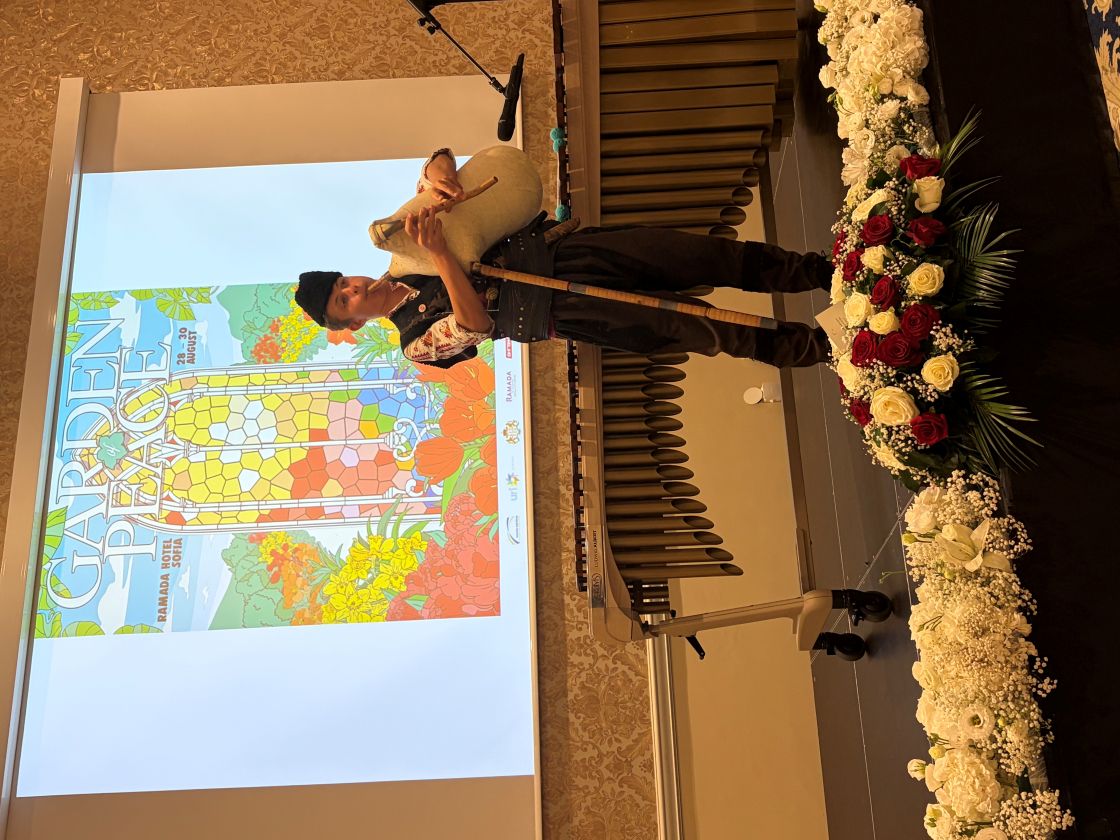
The gathering also brought the young participants into contact with religious leaders and representatives of the diplomatic and business communities. Ambassadors representing several countries attended, reinforcing the international dimension of an initiative rooted in grassroots youth engagement.
Planting seeds for what comes next
The final day turned toward the future.
Young people reflected on what they had learned and developed ideas and commitments for continuing their engagement. Teachers and the BRIDGES team also discussed follow-up opportunities and ways of strengthening the network supporting young people. Participants expressed a desire for more frequent opportunities of this kind and for sustained work with young people around tolerance, mutual respect and understanding.
Garden of Peace therefore ended not simply as a three-day youth camp, but with new relationships, ideas and possibilities for continued action.
As Angelina Vladikova, Chair of BRIDGES CC and URI Europe CC Liaison Officer, reflected during the gathering:
“We believe that young people should not simply talk about change but be its drivers.”
Perhaps this is the most important seed planted by Garden of Peace. A garden becomes richer through diversity, but it flourishes only through care. Peace is much the same. It grows when people have opportunities to encounter one another, build trust, listen across differences and take responsibility for what they create together.
For these young people in Sofia, those seeds have already been planted.
Photo credit: Kamen Vuldzhev
Report written by Angelina Vladikova, BRIDGES CC Chair and URI Europe CC Liaison